
Plastic Carry Handles for Packaging That Elevate Your Brand and Ease
A plastic carry handle for packaging is a sturdy, ergonomic attachment designed to transform bulky or heavy boxes into easily portable loads. By clipping securely into pre-cut slots or wrapping around the container, it shifts the weight away from the box’s sides and into your hand, relieving strain on your fingers and making awkward trips more manageable. This simple tool turns a cumbersome task into a comfortable one-handed carry, allowing you to transport items like bottled water, pet food, or large cartons with greater ease and confidence.
Why Handles Upgrade Packaging Functionality
A mother juggling groceries and a toddler discovers a plastic carry handle transforms a bulky box into a balanced, one-handed load. The handle upgrades packaging functionality by shifting the user’s grip from an awkward bear hug to a secure, pivot point. This simple addition repositions weight distribution, allowing the box to hang naturally rather than tipping or squeezing. A well-placed handle doesn’t just lift the package; it reorganizes the physics of carrying, turning a chore into a smooth, intuitive motion. For the warehouse worker stacking identical containers, the handle eliminates the need to wedge fingers under edges, reducing pinch points and accelerating handling speed. Without it, the same box demands two hands and careful balancing—a functional downgrade the handle silently corrects.
Consumer Convenience and Portability Benefits
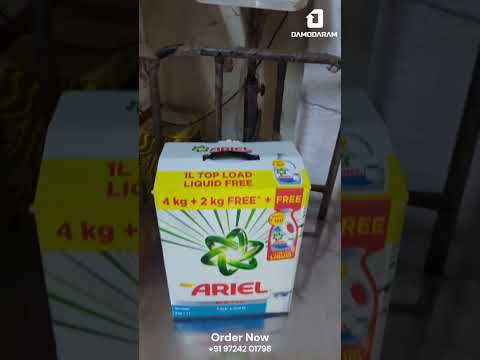
Upgrading packaging with a plastic carry handle directly enhances consumer convenience by transforming how a product is transported. The primary benefit is improved portability for bulk goods, allowing users to carry heavy or awkwardly shaped containers, such as large detergent jugs or gallon water bottles, with a single hand. This ergonomic improvement reduces grip strain and provides a stable load distribution. For the user, this translates into a logical sequence of practical benefits:
- Easier lifting from a shopping cart to a vehicle, minimizing the risk of dropping the package.
- Simplified carrying over distances, such as from a parking lot to a home entrance.
- More secure handling when navigating stairs or crowded spaces, as the handle offers a consistent gripping point.
The handle effectively eliminates the need for secondary carriers, making the package itself a self-contained, portable unit.
How Handles Improve E-Commerce Unboxing
In e-commerce unboxing, a plastic carry handle transforms a routine delivery into a seamless, premium experience. The handle eliminates fumbling by providing an immediate, secure grip, letting the customer lift the heavy or awkward box out of the shipping outer carton with one smooth motion. This direct access enhances the first tactile impression, reducing frustration and preventing the box from being dumped or torn open. The handle also acts as a built-in carrying solution for the product itself, adding practical utility that elevates the perceived value of the package beyond a simple container.
Reducing Package Damage During Transport

A sturdy plastic carry handle is critical for reducing package damage during transport. The handle’s integrated structure transfers lifting stress directly to the container’s strongest points, eliminating the side-wall strain that causes bulging or tearing. This secure attachment prevents the package from shifting or swinging into adjacent boxes, which minimizes impact dents and structural fractures. By distributing weight evenly, a handle stops concentrated pressure from puncturing the base during stacking.
- Distributes lifting forces away from weak side seams
- Prevents container buckling from off-angle handling
- Eliminates impact dents from swinging packages
- Stops bottom punctures during vertical stacking
Materials Used for Carrying Solutions
For a plastic carry handle, the materials used for carrying solutions prioritize a blend of tensile strength and flexibility. Polypropylene (PP) is the standard choice, offering enough rigidity to support heavy loads without snapping, yet with a living hinge that withstands repeated flexing. High-density polyethylene (HDPE) provides superior impact resistance for rough handling in cold environments, while LDPE offers a softer, more pliable grip.
Choosing polypropylene creates a crisp, durable handle, whereas polyethylene delivers a more forgiving, shatter-resistant carry experience.
These thermoplastics are molded via injection to form ergonomic contours that distribute weight evenly, preventing the handle from digging into the user’s hand during transport.
Recycled Content and Biodegradable Options
For plastic carry handles, incorporating recycled content directly reduces virgin polymer demand, often derived from post-consumer bottles or industrial scrap, maintaining tensile strength if quality-sorted. Biodegradable options typically use biopolymers like PLA or PBAT, which require specific industrial composting conditions to break down; they do not degrade effectively in standard landfills or marine environments. While recycled content offers immediate waste reduction without altering disposal infrastructure, biodegradable materials shift the end-of-life pathway but demand user compliance with proper sorting. A key distinction lies in performance: recycled handles may show slight color variability, whereas biodegradable versions sometimes have lower drop resistance under humidity.
| Aspect | Recycled Content | Biodegradable Options |
|---|---|---|
| Material source | Post-consumer or post-industrial plastic waste | Renewable biomass or synthetic biopolymers |
| End-of-life pathway | Mechanical recycling (if sorted) | Industrial composting (if certified) |
| Durability concern | Possible color or property variation | Potential brittleness or hydrolysis sensitivity |
Comparing Rigid vs. Flexible Handle Types
Rigid handles, typically molded from high-density polyethylene, offer consistent structural stability for heavy, dense loads, maintaining a fixed shape that prevents swinging during transport. Flexible handles, often made from low-density polyethylene or polypropylene blends, compress slightly under tension, distributing weight more evenly across the hand for better ergonomics with bulkier items. While rigid types resist deforming under pressure, flexible handles can conform to non-standard container openings or finger grips. The choice hinges on load weight and user comfort; rigid suits industrial pails, while flexible excels for retail jugs requiring a softer carry experience.
| Aspect | Rigid Handle | Flexible Handle |
|---|---|---|
| Primary Material | HDPE | LDPE or PP blend |
| Load Behavior | Fixed shape under weight | Conforms and compresses |
| Best Application | Heavy, stable loads | Bulkier or varied containers |
Durability Factors for Heavy-Duty Loads
For heavy-duty loads, the plastic carry handle must resist deformation under stress, with reinforced ribbed designs being a key durability factor. Materials like high-density polyethylene or polypropylene offer superior tensile strength, preventing cracking during transport. Even a handle’s anchor point geometry—where it meets the packaging—dictates whether it snaps under sudden jerks or sustained weight. A thicker cross-section at stress zones also reduces fatigue over repeated lifts. Q: What ensures a handle won’t tear under extreme weight? A: It’s the combination of impact-modified polymer blends and load-distributing attachment loops, which spread force evenly across the mounting holes.
Design Variations and Their Applications
The hollow, integrated handle on a detergent jug is a design variation born from stacking efficiency, its recessed channel saving shelf space while offering a secured grip for a heavy pour. In contrast, the detachable snap-on handle for bulk water bottles showcases a different application—its rigid loop wraps around the neck for balanced carrying, then clips off for recycling. Why choose a perforated handle over a solid one? The perforated, flexible strap design suits lightweight bags of rice, allowing the handle to fold flat for storage yet expand to distribute tension across the palm, preventing the plastic from digging in during a long walk from the market.
Die-Cut Handles for Minimalist Packaging

Die-cut handles for minimalist packaging are formed directly from the plastic sheet itself, eliminating the need for separate attachments. Integrated die-cut openings create a clean, seamless profile, ideal for lightweight e-commerce boxes or bottled goods. Precise scoring at the handle’s crease prevents cracking while supporting repeated, moderate loads. Designers balance cutout length and material gauge to ensure the handle doesn’t weaken the carton’s sidewalls. This construction streamlines production and reduces material waste, suiting brands that prioritize simplicity in their plastic carry handle for packaging.
Attached Handles for Retail Displays
Attached handles for retail displays are engineered to integrate directly with product packaging, often using injection-molded plastic that clips or snaps onto a box or carton. This design variation eliminates the need for separate bags or additional wrapping, streamlining the unboxing process for customers. The handle’s attachment point is typically reinforced to bear the product’s full weight without tearing the display’s cardboard. Such configurations are common for gift sets or multi-pack items, where the handle becomes a structural part of the package rather than a removable add-on. This approach maximizes shelf presence while ensuring secure ergonomic transport from the retail floor to the consumer’s home, reducing drop risks during handling.
Insert-Molded Handles for Premium Goods
For premium goods, insert-molded handles integrate high-grade materials like stainless steel or reinforced polymer cores directly into the plastic structure during molding. This process creates a permanent, seamless bond, eliminating adhesive failure and delivering superior load-bearing capacity for luxury packaging such as perfumes or spirits. The resulting handle provides a tactile, weighted feel and precise ergonomic contours, enhancing the unboxing experience. This design allows for fine detailing and custom textures without compromising structural integrity. A durable metal insert ensures repeated use without deformation, making it ideal for high-end reusable packaging where component longevity and aesthetic precision are paramount.
Ergonomics and User Experience
A well-designed plastic carry handle for packaging significantly enhances user experience by distributing load weight evenly across the palm, reducing hand strain during transport. The handle’s width and rounded edges prevent pressure points, while a textured grip ensures stability even with sweaty hands. Ergonomic profiling—such as a slight inward curve—allows fingers to wrap naturally, minimizing fatigue for heavy contents. The handle’s pivot point must align with the package’s center of gravity to avoid tilting. Soft-touch materials or ribbing further improve comfort, though stiffness must balance structural integrity against ease of carrying.
Grip Comfort for Extended Carrying
When designing a plastic carry handle for packaging, prolonged grip comfort hinges on eliminating pressure points through a rounded, contoured profile that spreads load evenly across the palm. The handle’s thickness must balance stiffness with a slight pliability, preventing the plastic edges from digging into fingers during a long carry. Textured side ridges or a soft-touch overmold further enhance friction, reducing the need for a tight, fatiguing grasp. A generously sized central opening also avoids pinching the knuckles, allowing the hand to relax naturally over time.
Grip comfort for extended carrying requires rounded contours, balanced pliability, and textured surfaces to prevent fatigue and pressure points.
Weight Distribution and Stress Reduction
A plastic carry handle’s geometry directly governs weight distribution by converting a concentrated point-load on the fingers into a broader force across the hand’s palm and thenar eminence. A contoured, wide grip spreads the package’s mass over a larger contact area, reducing localized pressure and delaying muscle fatigue. Strategic ribbing along the handle’s underside adds stiffness without bulk, preventing flex that would otherwise concentrate stress at the handle’s attachment points. This structural rigidity ensures the load remains balanced during transit, mitigating the risk of sudden shifts that strain wrist tendons. The result is a significantly reduced stress on the hand’s soft tissues during prolonged carrying.
By distributing weight evenly across a contoured grip and reinforcing the handle against flex, the design converts a concentrated load into a manageable force, minimizing localized pressure and cumulative hand fatigue.
Accessibility Features for All Users
Accessibility features for all users are integral to ergonomic plastic carry handles, ensuring inclusivity across diverse physical abilities. A handle with a contoured, non-slip grip reduces strain for users with limited hand strength, while elongated loops accommodate larger hands or gloved use. For those with visual impairments, a tactile indicator on the handle surface signals the optimal grip point. The sequence to achieve universal accessibility is:
- Design a wide, cushioned grip to distribute weight evenly
- Incorporate ergonomic contours that align with natural hand curvature
- Apply high-contrast coloring or raised textures for non-visual navigation
These features collectively prevent exclusion, making packaging truly user-friendly for everyone.
Branding and Customization Opportunities
Plastic carry handles are a blank canvas for your brand. You can mold your logo or tagline directly into the handle during production, creating a permanent, tactile brand mark that customers feel with every grasp. For more flair, choose a custom Pantone color that matches your packaging, making your product instantly recognizable on a shelf. Want to stand out even more? You can add a custom texture or emboss a pattern to the handle’s grip, turning a simple utility into a subtle design element. Beyond logos, a clever handle shape—like a house silhouette for a hardware brand—can reinforce your product’s identity without a single word.
Color and Texture Coordination with Packaging
Coordinating the plastic carry handle color and texture with the packaging surface creates a seamless brand experience. A glossy, high-contrast handle on a matte, dark box draws the eye, while a soft-touch, textured handle pairing with a similar package finish reinforces a premium feel. Avoid clashing undertones by matching warm handle hues to warm printed graphics. Texture selection must also consider grip: a ribbed handle provides tactile contrast against a smooth carton, enhancing usability without disrupting visual harmony. This deliberate synchronization transforms the handle from a utility item into an intentional design element that elevates the entire unboxing encounter.
- Match handle gloss level to packaging finish for visual consistency.
- Use high-contrast handle colors to create a focal point on neutral packages.
- Select a textured handle (e.g., soft-touch or ribbed) to add tactile depth against a smooth box.
- Coordinate handle undertones with primary packaging graphics to avoid color dissonance.
Embossed Logos and Promotional Messaging
Embossing transforms a plastic carry handle into a silent brand ambassador by raising your logo or tagline directly into the handle’s surface, creating a tactile, premium feel that withstands repeated use. Unlike printed labels that may wear off, this durable embossed imprint ensures your promotional message—such as a website, slogan, or loyalty call-to-action—remains permanently legible on the handle’s grip. For maximum impact, pair a deep custom embossed logo on the top curve with a contrasting raised promotional font along the shaft, turning every carry into a persistent brand touchpoint without adhesives or secondary materials.
Custom Shapes That Reinforce Brand Identity
A plastic carry handle’s silhouette can function as a three-dimensional logo. By molding the handle into a custom shape—such as an arch mimicking a letterform or a curve echoing a product’s outline—the brand becomes tactile. This approach transforms a utility component into a silent brand ambassador, as the handle’s geometry triggers immediate visual recall even without printed labels. The shape must balance ergonomics with symbolism, ensuring grip comfort while the contour consistently tells the brand story across all packaging units.
Custom shapes in a plastic handle embed the brand into the user’s hand, making every lift a sensory reinforcement of identity.
Sustainability and Eco-Friendly Innovations
The morning delivery arrives, and the cardboard box feels sturdy in my hands, made possible by a plastic carry handle for packaging that is now crafted from 100% post-consumer recycled material. This simple innovation eliminates the need for virgin resin, keeping discarded plastic bottles out of landfills. Its design is also intentionally thinner, reducing material use by twenty percent without sacrificing the tensile strength needed to carry heavy loads. When the handle inevitably breaks from wear, it can be tossed into the recycling stream itself, as the mono-material construction avoids the complex separation required by mixed-material alternatives. This shift means every lift handle for box I make feels lighter, not just for my arms, but for the planet as well.
Post-Consumer Recycled Material Sourcing
When sourcing handles, post-consumer recycled material is key. You can get plastic carry handles made from recycled bottles, reducing new plastic use. These handles look and function like virgin options but shrink your footprint. Closing the loop with PCR content ensures waste gets a second life.
Does PCR material affect handle strength? No, quality PCR handles are just as durable. They handle the same weight and stress, so you don’t sacrifice performance for eco-friendliness.
Single-Material Designs for Easier Recycling
Single-material designs for plastic carry handles eliminate multi-layer laminates or mixed polymers, ensuring the entire handle is made from one recyclable resin like HDPE or PP. This avoids the need for complex separation during recycling, allowing the handle to be processed directly with other packaging of the same material. A purely polypropylene handle, with no metal or nylon inserts, can be shredded, melted, and reformed without contamination, preserving material purity. This mono-material approach simplifies post-consumer sorting, as automated facilities can easily identify and bale the homogenous stream, directly reducing downcycling into lower-grade products.
Mono-Material Versus Multi-Material Trade-Offs
Choosing between mono-material and multi-material for a plastic carry handle boils down to recyclability versus performance. A mono-material handle, made entirely from one plastic like HDPE or PP, is far easier to recycle and fits seamlessly into existing waste streams. The trade-off? It may lack structural rigidity for heavy loads. Multi-material handles, combining plastic with metal or rubber, offer superior strength and comfort but create a recycling nightmare due to difficult separation. For practical use, mono-material design simplifies end-of-life recycling. When weighing options, follow this simple check:
- Assess the handle’s required weight capacity.
- Prioritize a single plastic type for easier recycling.
- Accept that lighter loads work best for mono-material.
Market Trends Driving Handle Adoption
Consumers increasingly demand convenience and portability, making the plastic carry handle for packaging a critical feature in retail. The surge in e-commerce and bulk-buying habits drives adoption, as handles reduce strain and offer a secure, ergonomic grip for heavy or awkward loads like pet food and bottled water. Manufacturers respond by integrating robust, die-cut handles that allow for quick, one-handed carrying, directly enhancing the user experience. This practical need for effortless transport is the primary engine behind handle adoption, transforming standard packaging into a mobile, user-friendly solution that encourages repeat purchases.
Retail and Grocery Industry Demands
Retail and grocery operations demand handles that withstand frequent customer handling and pallet stacking without tearing. Stores require finger-friendly ergonomic loops that reduce purchase friction for bulk or heavy items like pet food and beverages. Handles must integrate with existing case-sealing machines and not snag on shelving during stocking. Grocers also prioritize handles that maintain product visibility for quick shelf identification, avoiding opaque designs that block branding. A tamper-evident seal point is essential to prevent in-store product swapping. Deliveries demand handles that survive cold-chain condensation without weakening, while e-commerce fulfillment requires handles that endure automated sorting belts without detaching.

| Demand | Retail Requirement | Grocery Requirement |
|---|---|---|
| Weight capacity | 10–20 lbs for multipacks | 5–10 lbs for produce/pasta |
| Handle attachment | Integral to shrink bundle | Clip-on for paperboard cartons |
| Surface texture | Ribbed grip for dry goods | Soft-touch for frozen items |
Shift Toward Lightweight Yet Sturdy Solutions
Consumers are ditching the clunky, breakable handles of the past. The real shift is toward handles that feel featherlight in the hand but can still haul a heavy grocery load without snapping. This means modern designs use reinforced ribbing and advanced polymer blends to shed weight without sacrificing structural integrity. You get a handle that’s easy to carry, saves on shipping costs, and won’t crack under pressure. The secret is engineering for high strength-to-weight ratio, so a thin profile still delivers the rugged grip you expect from a sturdy plastic handle.
Consumer Preference for Reusable Packaging Elements

Consumers increasingly prioritize packaging that offers extended utility, directly influencing demand for plastic carry handles that facilitate reuse. A handle transforms a disposable container into a functional carrier for storage, transport, or repeated use, fulfilling a preference for practical second-life applications. This selection process typically follows a clear sequence:
- The user first assesses handle ergonomics and attachment durability to ensure repeated loading without failure.
- Next, they evaluate how easily the handle can be cleaned or stored between uses.
- Finally, the handle’s compatibility with the container’s lid or closure is judged, guaranteeing the package remains resealable for future reuse.
This preference drives handle designs that are robust, detachable, or foldable, maximizing consumer satisfaction through tangible, everyday reusability without compromising the primary packaging function.
Cost Considerations in Production
Cost considerations in producing a plastic carry handle for packaging hinge on material selection and manufacturing efficiency. Using high-density polyethylene (HDPE) reduces per-unit expense due to its low raw material cost and recyclability, while injection molding minimizes cycle times and waste for high-volume runs. However, attempting to cut costs by thinning the handle wall may increase breakage rates during transport, ultimately raising customer replacement expenses. Avoiding unnecessary secondary assembly, such as separate rivets, further lowers labor and part costs, ensuring the handle remains a budget-friendly addition without compromising structural integrity.
Tooling and Mold Costs vs. Volume Output
The initial investment in tooling and molds for plastic carry handles is significant, often ranging from thousands to tens of thousands of dollars. This cost is directly offset by high-volume output, as the per-unit tooling amortization decreases substantially with larger production runs. For a specialized packaging handle requiring complex geometry, custom molds drive higher upfront costs, but this is justified when annual volumes exceed tens of thousands of units, making per-handle mold cost negligible. Conversely, low-volume projects or frequent design changes may be uneconomical due to the sunk tooling expense, making multi-cavity molds or family molds advisable only when consistent, high output is guaranteed.
Material Efficiency and Waste Reduction
Optimizing material efficiency in plastic carry handles directly cuts production costs by reducing resin usage per unit. Thin-wall molding techniques and strategic ribbing maintain handle strength while using less polymer, lowering both material expenses and waste. Integrating recycled content further diverts post-industrial scrap from landfills, reducing virgin material procurement. Waste reduction is achieved through sprue-less molds that eliminate leftover runners and closed-loop grinding systems that reprocess defective handles instantly. This approach minimizes raw material consumption and disposal fees simultaneously.
- Thin-wall molding cuts plastic weight by 25-40% without compromising load capacity.
- Single-material designs simplify recycling, avoiding costly multi-layer separations.
- In-line regrind systems reprocess 95% of production scrap into new handles.
- Optimized gate placement reduces flash and rejected parts for higher yield.
Balancing Aesthetics with Budget Constraints
Balancing aesthetics with budget constraints in a plastic carry handle requires prioritizing structural necessity over decorative excess. A sleek, low-profile handle can reduce material volume without sacrificing visual appeal, directly cutting per-unit costs. Avoiding intricate curves or unnecessary thickness lowers mold complexity and cycle time, preserving budget while maintaining a clean brand presentation. Opting for a single, uniform color rather than multi-tonal accents further trims production expenses. Cost-effective handle design thus hinges on selecting a streamlined silhouette that meets functional ergonomics, ensuring the handle’s appearance does not drive up tooling or raw material expenditures.

Regulatory and Safety Compliance
When selecting a plastic carry handle for packaging, compliance focuses on load limits and ergonomic safety to prevent user injury. Handles must withstand specified weight capacities without tearing or detaching, adhering to strict durability testing. Furthermore, the material composition must meet food-grade and chemical safety requirements if the package contains consumables, avoiding leaching under normal use. Proper design incorporating smooth edges and finger clearance is vital to meet regulatory safety guidelines for consumer protection. Every handle should clearly display weight warnings or handling instructions to ensure users remain within safe operational parameters during transport.
Food-Grade and Contact Standards
For plastic carry handles on packaging, food-grade and contact standards mandate that the handle material (typically polypropylene or polyethylene) must not transfer harmful substances to the product under intended use conditions. Compliance with FDA 21 CFR or EU Regulation 10/2011 requires migration testing specific to the handle’s surface area and contact duration. Handles must also meet overall migration limits (e.g., 10 mg/dm² for EU) and avoid any odor or taste transfer. For direct food contact, the handle’s composition must be limited to listed monomers and additives, with strict prohibition of recycled content unless specifically pre-approved.
| Standard | Key Requirement for Handles | Testing Aspect |
|---|---|---|
| FDA 21 CFR | Indirect additive transfer ≤ 0.5 ppb | Overall migration with food simulants |
| EU 10/2011 | Total migration < 10 mg/dm² | Specific migration of monomers |
Child Safety and Sharp Edge Regulations
Plastic carry handles must comply with child safety and sharp edge regulations to prevent laceration or choking hazards. Handles are designed with rounded edges and smooth contours, eliminating any sharp protrusions that could cut a child’s skin. The aperture’s internal edges are also radiused to avoid finger entrapment or abrasion. Mold flash along the seam line is ground flush to meet blunt-edge requirements under consumer safety standards. Wall thickness is balanced to ensure the handle snaps cleanly from the mold without producing brittle, razor-like burrs. Every edge is guided by a minimum radius threshold to render the handle inherently child-safe during normal use.
Weight Load Testing Requirements
Weight load testing requirements for plastic carry handles ensure the part can bear a specified maximum product weight without failure. Testing typically involves applying a static load to the handle for a set duration, often using weights that simulate the filled packaging. The handle must show no cracking, permanent deformation, or detachment after the test. Safe working load limits define the maximum weight the handle can carry during normal use, distinct from the ultimate break strength tested to failure. Environmental factors like temperature often condition the handle before testing to reflect real-world performance.
- Static load test at 1.5 to 2 times the intended packaging weight for at least one minute.
- Grip area stress test simulating a user lifting and carrying the filled package.
- Drop test from a standard height (e.g., 1 meter) while the handle supports the full load.
- Post-test inspection for cracks, elongation, or weld joint failures on the handle.
Case Studies in Effective Handle Integration
A recent case study involving a premium cat litter brand revealed that integrating a plastic carry handle for packaging directly into the mold of the 7kg bucket reduced secondary packaging by 40%. The handle was designed as a contoured, load-bearing rib that doubled as a stacking lug, eliminating the need for separate tape or adhesive straps. Users reported that the integrated grip distributed weight evenly across their palms, drastically reducing spillage incidents during transport. Another study for a 5-liter motor oil container showed that a recessed, snap-fit handle allowed for one-handed pouring while maintaining structural integrity during drops from waist height. These examples prove that effective handle integration transforms a simple plastic component into an ergonomic, cost-saving feature that directly addresses user fatigue and container stability.
Beverage Multipacks with Integrated Grips
Beverage multipacks with integrated grips represent a direct application of effective handle integration in plastic packaging, where the handle is die-cut or molded into the carrier film or tray itself. This design eliminates secondary applicators, relying on a precisely perforated or thermoformed finger-loop that aligns with a six-pack or twelve-pack’s weight distribution. The grip must be wide enough to avoid pressure points yet narrow enough to prevent tearing, with material thickness often increased at the stress points. Real-world case studies show that a poorly placed slot causes the pack to tilt, spilling cans; successful iterations test the handle’s center of gravity relative to the beverage volume.
- Integral die-cut handles reduce overall packaging material by up to 20% compared to attached plastic rings.
- Embossed texture on the grip area prevents slippage when the pack is wet from condensation.
- Handle aperture must accommodate gloved or gloved-free hands without sharp edges on the cut plastic.
Cosmetics Packaging with Detachable Handles
In cosmetics packaging, detachable handles address the dual need for portability during purchase and compact storage at home. A plastic carry handle, often a sleek ring or strap molded from polypropylene, clips onto the main container for secure transport of bulk items like shampoo gallons or gift sets. After use, the user can remove this handle by pressing a release tab or sliding it off a groove. This design prevents the handle from interfering with bathroom shelf arrangements or recycling processes, as the handle separates from the bottle for proper sorting. Brands prioritize detachable handle convenience by integrating a simple snap-fit mechanism that withstands the weight of liquid products without fracturing.
Industrial Bulk Containers with Reinforced Loops
Industrial bulk containers with reinforced loops prove that heavy-duty packaging doesn’t have to be a struggle. These integrated loop handles are molded directly into the container walls, distributing the load evenly to prevent tearing when you’re hauling dense materials like granules or powders. The loops are thick and contoured for a secure grip, even with gloved hands, making tilting and pouring far less awkward. Unlike bolt-on alternatives, this seamless design eliminates snag points and resists chemical degradation, keeping the container functional through multiple handling cycles without cracking or splitting under stress.