
Modafinil Dosage Guide Finding the Right Amount for Your Needs
Unlocking heightened focus and sustained energy begins with mastering the precise modafinil dosage—a critical balance between clinical efficacy and personal tolerance. Start low at 50–100 mg to gauge your response, avoiding the common pitfalls of overstimulation or disrupted sleep. This smart approach transforms a powerful cognitive tool into a reliable daily advantage.
Standard Therapeutic Dosage Ranges
Standard therapeutic dosage ranges define the scientifically validated amount of a medication required to produce its desired clinical effect while minimizing the risk of toxicity. As an expert, I emphasize that these ranges are not arbitrary; they are established through rigorous clinical trials and pharmacological studies to ensure both safety and efficacy. Adherence to these evidence-based dosage parameters is critical, as sub-therapeutic levels fail to treat the condition, while supratherapeutic amounts can lead to severe adverse reactions. Factors such as age, weight, renal function, and metabolic rate must be carefully considered to customize the dose within the accepted window. Clinicians should always consult up-to-date formularies and prescribe within the established therapeutic index to optimize patient outcomes and medication safety.
Typical Adult Starting Dose
Standard therapeutic dosage ranges represent the scientifically validated window where a medication achieves maximum efficacy with minimal toxicity. Evidence-based dosing guidelines are critical for optimizing patient outcomes and preventing adverse drug reactions. These ranges vary significantly based on factors like age, weight, renal function, and drug metabolism. For example, a typical adult dosage for acetaminophen is 325–650 mg every 4–6 hours, not exceeding 3,000 mg daily. Adhering to these parameters ensures the drug works as intended without risking liver damage or treatment failure. Key considerations include:
- Individualized adjustments: Dosing for pediatric or geriatric patients often requires weight-based calculations.
- Monitoring parameters: Regular assessment of drug levels, such as for vancomycin, maintains efficacy and safety.
- Therapeutic index: Narrow-index drugs (e.g., warfarin) demand precise dosing to avoid life-threatening toxicity.
Always consult current prescribing information, as deviations from the standard range can result in subtherapeutic effects or severe harm. Precision in dosing is non-negotiable in clinical practice.
Commonly Prescribed Maintenance Doses
Standard therapeutic dosage ranges are the scientifically validated upper and lower limits of a medication administered to achieve maximum efficacy while minimizing toxicity. These ranges, derived from rigorous clinical trials, ensure a drug’s concentration in the bloodstream remains above the minimum effective concentration (MEC) but below the toxic threshold. Mastering dose-response relationships is critical for patient safety and treatment success. Prescribing outside these parameters without clear clinical justification risks therapeutic failure or adverse events. For oral medications, factors like age, weight, and hepatic function can shift these ranges, demanding careful adjustment. Consider key principles:
- Loading dose: A higher initial amount to rapidly reach steady state.
- Maintenance dose: The ongoing amount to sustain the therapeutic window.
- Half-life: Time for drug concentration to reduce by 50%, guiding dosing intervals.
Strict adherence to established ranges is non-negotiable for predictable, safe outcomes in modern pharmacotherapy.
Maximum Recommended Daily Limit
Standard therapeutic dosage ranges are the established drug amounts that produce the desired effect in most patients without causing toxicity. For most medications, these ranges are defined by clinical trials and pharmacokinetic data, factoring in age, weight, and organ function. Key considerations include:
- Loading vs. maintenance doses: Initial higher doses to reach steady state quickly, followed by lower daily amounts.
- Half-life: Determines dosing frequency—drugs with long half-lives require fewer daily doses.
- Monitoring: For narrow therapeutic index drugs (e.g., warfarin, digoxin), regular blood levels prevent toxicity or subtherapeutic effects.
Always follow current guidelines for each drug, as individual variability in metabolism can shift the effective range. Adjust dosing for renal or hepatic impairment to avoid accumulation. Titrate gradually in vulnerable populations.
Dosage by Medical Condition
For optimal therapeutic outcomes, dosage by medical condition is non-negotiable, as each ailment demands a precise pharmacokinetic strategy. In acute pain management, immediate-release formulations are typically dosed at low intervals to establish rapid relief, while chronic conditions like hypertension require sustained-release regimens to maintain stable blood levels. For infectious diseases, a loading dose often precedes a maintenance dose to achieve therapeutic concentration quickly, whereas psychiatric disorders demand gradual titration to minimize side effects. Failing to tailor dosage to the specific pathology risks subtherapeutic failure or toxicity. This principle is critical for SEO because search queries for condition-specific dosing reflect high user intent. Trust only evidence-based guidelines; dose adaptation by pathophysiology is the cornerstone of safe prescribing.
Narcolepsy Dosage Regimen
Dosage for any medication varies significantly by medical condition, so you should always check your prescription label first. For example, pain relievers might have a lower dose for headaches than for chronic back pain. Your doctor tailors the amount to your specific health needs, not a one-size-fits-all number. The key factor is dosage by medical condition, which ensures safety and effectiveness. To give you an idea:
- High blood pressure: Often starts with a low daily dose, like 10 mg of a common drug.
- Diabetes: Dosage can range from 0.5 to 2 mg per day, based on blood sugar levels.
- Infections: Antibiotics may require higher doses for a shorter period, such as 500 mg twice daily for 7 days.

Always follow your healthcare provider’s guidance, as self-adjusting can be risky.
Shift Work Sleep Disorder Dosage
Dosage requirements vary significantly by medical condition, making it critical to follow condition-specific guidelines rather than one-size-fits-all approaches. For chronic pain management, low starting doses are often titrated upward to minimize side effects while achieving relief. For acute infections, shorter, higher-dose courses are common to eradicate pathogens quickly. The following table outlines general dosing principles for common conditions:
| Condition | Typical Dosing Approach |
|---|---|
| Hypertension | Start low, increase slowly; often once-daily dosing |
| Type 2 Diabetes | Dose adjusted based on blood glucose levels; may require split doses |
| Major Depressive Disorder | Begin at sub-therapeutic levels; titrate over weeks; maintenance dose often lower |
| Bacterial Infection | Full therapeutic dose from day one; strict adherence to frequency |
Always consult a healthcare provider before adjusting any regimen, as factors like renal function, age, and drug interactions further modify individual needs.
Obstructive Sleep Apnea Adjuvant Dosage
Dosage varies significantly by medical condition, with factors like severity, patient age, and kidney function guiding adjustments. For hypertension, standard treatment often begins with a low dose of an antihypertensive, such as 5 mg of amlodipine daily, which may be increased after two weeks if blood pressure remains elevated. In contrast, Type 2 diabetes management may require metformin at 500 mg twice daily with meals, gradually escalating to a maximum of 2,000 mg per day. For acute infections like bacterial sinusitis, a seven-day course of amoxicillin at 500 mg three times daily is typical, while chronic infections might demand longer therapy. Key considerations include:
- Pain relief: Ibuprofen 200–400 mg every 4–6 hours, not exceeding 1,200 mg daily without guidance.
- Heart failure: Lisinopril starting at 2.5 mg once daily, titrated cautiously.
- Epilepsy: Lamotrigine initiated at 25 mg every other day to reduce Steven-Johnson syndrome risk.
Always consult a healthcare provider before altering any prescribed regimen. Over-the-counter medications like acetaminophen also require condition-specific dosing; for osteoarthritis, the maximum is 3,000 mg per day, whereas for fever reduction in adults, 500–650 mg every 4 hours suffices to prevent liver strain.
Dosing Protocols for Specific Populations
When it comes to dosing protocols for specific populations, a one-size-fits-all approach simply doesn’t cut it. For seniors, you often need to start low and go slow, as their kidneys can’t clear medications as efficiently. Pregnant or breastfeeding individuals require extra caution, focusing on drugs that are safe for both mom and baby. Kids’ doses are typically calculated based on their weight or body surface area, not their age alone. Meanwhile, people with liver or kidney issues might need significant adjustments to avoid toxicity. Always consult a professional before tweaking any regimen, especially if you fall into one of these groups. Personalized dosing isn’t just a buzzword; it’s a critical safety practice. Remember, harm reduction starts with respecting how different bodies process substances.
Elderly Patients (Over Age 65)
Dosing protocols must be carefully adjusted for specific populations to ensure safety and efficacy. Geriatric patients require cautious dose titration due to age-related declines in renal and hepatic function, which can prolong drug half-lives and increase toxicity risk.
For pediatric patients, weight-based or body surface area calculations are critical, as standard adult doses are often unsafe. Key considerations include:
- Neonates: immature organ systems demand microdosing and extended intervals.
- Children: metabolic rates differ significantly from adults.
- Adolescents: hormonal changes may influence drug absorption.
Pregnant and lactating individuals require individualized risk-benefit analysis, with many medications adjusted to protect fetal development or prevent infant exposure. Hepatic or renally impaired patients may need dose reductions by 25-50%, monitored via therapeutic drug monitoring to avoid accumulation. Always reference current clinical guidelines for these vulnerable groups.
Patients with Hepatic Impairment
When it comes to dosing protocols for specific populations, one size definitely doesn’t fit all. Older adults often need lower starting doses due to slower metabolism and increased sensitivity, while children require weight-based calculations to avoid toxicity. Pregnant individuals pose unique challenges, as changes in blood volume and organ function can alter drug absorption and clearance. Always consult a healthcare provider before adjusting any dose for these groups. For patients with liver or kidney issues, standard dosing may lead to dangerous accumulation, so clinicians frequently reduce amounts and extend intervals. Key factors include:
- Body weight and composition
- Age-related organ decline
- Pregnancy trimesters and lactation
- Genetic variations in drug metabolism
Patients with Severe Renal Impairment
Tailoring dosing protocols for specific populations turns standard care into precision medicine. For elderly patients, reduced renal function often demands a gentler starting dose, with increases carefully timed to avoid toxicity. In pediatrics, weight-based calculations replace fixed milligram amounts, ensuring a child’s developing liver isn’t overwhelmed. Pregnant individuals present a unique balancing act—dosages must protect the fetus while still crossing the placental barrier for maternal efficacy. A recent case at our clinic illustrated this perfectly when a 72-year-old woman on warfarin needed a 40% reduction after liver enzyme testing; her deep-vein thrombosis resolved without bleeding. These adjustments hinge on continuous monitoring and clear communication with the patient. Dosing protocols for special populations prevent critical adverse events when life-saving drugs meet fragile physiology.
Administration Timing and Frequency
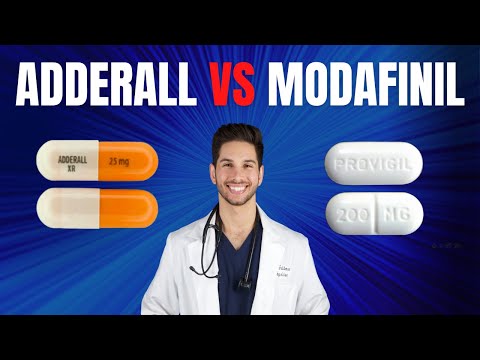
Every morning, as the first light filtered through the blinds, Clara opened the heavy binder labeled “Medication & Supplement Schedule.” She had learned the hard way that administration timing wasn’t just a suggestion; it was the backbone of her recovery. Missing a dose by even thirty minutes could send her energy levels into a dizzying spiral. For critical medications like her thyroid support, she set three alarms: one for the time, another fifteen minutes prior as a warning, and a final one as a last resort. The frequency protocol was equally strict—some pills demanded a strict eight-hour modafinil vs adderall rhythm, while a certain liquid supplement required a precise four-hour gap to avoid stomach upset. Over weeks, this rigid dance of clock-watching transformed from a chore into a comforting ritual, a steady heartbeat in a chaotic world. She learned that consistency wasn’t just about health; it was about trusting the process, one dose at a time. This meticulous medication regimen became her silent partner, ensuring each day began and ended with balance.
Morning-Only Dosing Schedule
Strategic administration timing and frequency are critical for optimizing medication efficacy and patient compliance. Optimized dosing schedules enhance therapeutic outcomes by aligning drug release with natural bodily rhythms. For example, administering corticosteroids in the morning minimizes adrenal suppression, while statins are most effective at night. Factors influencing the ideal frequency include the drug’s half-life, severity of symptoms, and patient lifestyle. A practical approach involves:
- Dividing daily doses for short-acting medications (e.g., pain relievers every 4–6 hours).
- Once-daily formulations for sustained-release drugs (e.g., metformin).
- PRN (as-needed) protocols for breakthrough conditions like acute pain or nausea.
Split Dosing Considerations
Optimal administration timing and frequency hinges on the drug’s half-life and the body’s circadian rhythms. For rapid relief, medications like analgesics often require short, frequent intervals, while sustained-release formulas demand strict daily spacing to maintain steady blood levels. A common schedule includes:
- Morning doses for stimulants or thyroid hormones, aligning with natural cortisol peaks.
- Evening administration for statins or antihistamines, leveraging nocturnal metabolic activity.
- Division of total daily intake into multiple smaller units to minimize side effects and enhance absorption consistency.
Adherence to precise windows—every 8 or 12 hours—prevents troughs that reduce efficacy or spikes that trigger toxicity. Dynamic adjustments, guided by patient response curves, ensure therapeutic coverage without disrupting sleep or daily routines.
Avoidance of Evening or Late-Day Intake
Efficient administration timing and frequency hinge on structured scheduling to prevent both operational gaps and employee burnout. Strategic scheduling optimization dictates that high-priority tasks receive daily focus, while compliance-driven reports are reserved for weekly or monthly cycles. A balanced approach often includes:

- Daily: urgent communications, system backups
- Weekly: payroll data entry, expense approvals
- Monthly: compliance audits, performance reviews
Q: How do you determine the best frequency for recurring tasks?
A: Align timing with business rhythms—peak periods demand tighter cycles, whereas slower phases allow for consolidation and long-term planning.
Dose Titration and Adjustment Guidelines

Dose titration is the art of finding a patient’s personalized therapeutic sweet spot, gradually adjusting medication to maximize efficacy while minimizing side effects. The process begins with a low starting dose, followed by incremental increases—often over days or weeks—based on clinical response and tolerability. Key guidelines for dose adjustment emphasize monitoring for adverse reactions, considering patient-specific factors like renal function or age, and avoiding abrupt changes to prevent withdrawal or toxicity. For many drugs, titration must be slow and deliberate, especially with antidepressants or antihypertensives, to ensure safe and effective treatment. Dynamic tracking of biomarkers or symptom scores helps clinicians tailor the regimen, making each adjustment a data-driven step toward optimal therapy.
Q: Can I speed up titration if I feel fine?
A: No—rushing can trigger severe side effects or dangerous reactions. Always follow the prescribed schedule; your body needs time to adapt.
Initial Titration for New Users
Dose titration and adjustment guidelines are essential for optimizing therapeutic efficacy while minimizing adverse effects, a process known as personalized dose optimization. Starting with a low initial dose and gradually increasing it—based on patient response and tolerability—is the core of safe medication management. Quantitative tools, such as Bayesian forecasting or therapeutic drug monitoring, provide objective data for precise dose changes. Key principles include:
- Start low, go slow: Particularly for opioids, antidepressants, and antihypertensives.
- Monitor early: Assess for clinical response and side effects within 24–72 hours of each adjustment.
- Use fixed intervals: Titrate no more than once per dosing half-life to avoid accumulation.
- Identify ceiling effects: Stop titration when therapeutic plateau or intolerable toxicity is reached.
Adherence to these structured protocols reduces hospitalizations and improves long-term outcomes. Clinicians must document each adjustment and rationale clearly to ensure continuity of care.
How to Reduce Side Effects with Lower Doses
Dose titration and adjustment guidelines are critical for optimizing therapeutic efficacy while minimizing adverse effects, particularly for medications with narrow therapeutic indices. The process typically involves starting at a low dose and gradually increasing it based on patient response and tolerability. Individualized dose optimization ensures treatment is tailored to each patient’s unique metabolic and clinical profile. Key factors influencing adjustments include:
- Renal and hepatic function
- Age and body weight
- Drug-drug interactions
- Therapeutic drug monitoring results
Adjustments are often guided by predefined increments, washout periods, and toxicity thresholds. For chronic conditions like hypertension or epilepsy, slower titration reduces the risk of adverse events, while acute settings may require more rapid escalation. Clear documentation and regular reassessment are essential to maintain safety and effectiveness throughout the treatment course.
When to Increase or Decrease Dosage
In the quiet of her clinic, Dr. Aris watched as her patient’s breathing eased, the result of a carefully orchestrated safe medication dosing strategy. She began with a minimal dose, checking vital signs after each slight increase over three weeks. This method, known as titration, transforms risk into control by following a clear sequence:
- Start at the lowest effective dose to avoid sudden side effects.
- Increase only after confirming clinical stability.
- Use a fixed interval (e.g., every 5–7 days) for adjustments.
- Monitor for therapeutic response and toxicity, particularly in renal or hepatic impairment.
Adjustment guidelines demand vigilance: if a patient’s kidney function declines, the dose may need reduction by half. By tailoring each increment to individual tolerance, the drug finds its sweet spot—potent enough to heal, gentle enough not to harm.
Signs of Overdose and Sub-Therapeutic Dosing
Recognizing signs of overdose is critical for emergency response. Overdose often presents with severe respiratory depression, pinpoint pupils (in opioids), extreme drowsiness or unresponsiveness, slow or shallow breathing, and bluish skin, especially around lips and nails. Conversely, sub-therapeutic dosing occurs when medication levels are too low to achieve the desired effect, leading to persistent symptoms like unrelieved pain, breakthrough seizures, or continued fever. For antibiotics, signs include lack of infection improvement. In psychiatric medications, it may manifest as unchanged mood or anxiety. For patients on anticoagulants, a sub-therapeutic dose risks clot formation, while an overdose increases bleeding risk. Therapeutic drug monitoring and patient feedback are essential to balancing efficacy and safety.
Q&A:
Q: How quickly can sub-therapeutic dosing affect treatment?
A: It varies. For acute pain or infection, effects may be noticed within hours; for chronic conditions, it may take days or weeks of inadequate dosing to become apparent.
Symptoms of Excessive Dosage
Recognizing an overdose is critical, as it presents with severe respiratory depression, pinpoint pupils, unconsciousness, and cyanosis. Conversely, sub-therapeutic dosing manifests as uncontrolled pain, breakthrough withdrawal symptoms, or unchanged vital signs, indicating inadequate medication levels. Recognizing opioid toxicity early can save a life. Never dismiss a patient’s report of ineffective pain relief as mere drug-seeking behavior. For clarity, key signs include:
- Overdose: Unresponsiveness, slow or absent breathing, blue lips or fingertips.
- Sub-Therapeutic Dosing: Elevated heart rate, agitation, dilated pupils, and complaints of pain despite medication.
Indicators of Insufficient Dose
Recognizing signs of overdose and sub-therapeutic dosing is critical for patient safety. An overdose typically presents with profound sedation, respiratory depression, pinpoint pupils, and bradycardia, often leading to unresponsiveness. Conversely, sub-therapeutic dosing manifests as inadequate symptom control, escalating pain, breakthrough seizures, or persistent anxiety, indicating the medication is not reaching effective levels. These opposing states demand immediate clinical intervention. To differentiate effectively, assess the following key indicators:
- Overdose Signs: Extreme drowsiness, slow or shallow breathing, miosis (pinpoint pupils), cyanosis, and hypotension.
- Sub-Therapeutic Signs: Unrelieved pain, agitation, tachycardia, dilated pupils, and returning withdrawal symptoms.
Always monitor vitals and therapeutic response to ensure dosing remains within the safe, effective window. Early recognition prevents life-threatening outcomes.
Emergency Management of Overdose
Tom noticed his prescribed painkiller wasn’t managing his chronic back pain anymore, a red flag he initially dismissed. This dull, persistent ache signaled **sub-therapeutic dosing**—a sign the medication level in his blood was too low for effect. Meanwhile, his roommate, struggling with anxiety, took an extra sedative to “feel calm,” unwittingly courting danger. Soon, pinpoint pupils, a slow, irregular heartbeat, and a dangerous drop in breathing rate appeared—hallmarks of an opioid overdose. Their stories highlight the knife’s edge of medication management.
Special Considerations and Warnings
Special considerations and warnings are critical for ensuring safety and optimal outcomes. Certain populations, including pregnant or nursing individuals and those with pre-existing liver or kidney conditions, require adjusted dosages or may need to avoid specific products entirely. Users should be aware of potential drug interactions, as combining substances can diminish efficacy or provoke severe side effects. Allergic reactions, though rare, necessitate immediate medical attention. Adherence to storage guidelines, such as keeping items away from heat or moisture, prevents degradation. Before initiating any new regimen, it is essential to consult a healthcare professional to review personal health status and current medications. Ignoring these warnings can lead to serious complications. For optimal SEO performance, content must clearly highlight safety precautions to reduce risk, alongside professional medical advice to ensure responsible use.
Interaction with Food and Beverages
Special considerations and warnings for this approach hinge on user intent clarity. Misinterpreting a brief command can lead to irrelevant outputs, especially when instructions forbid repetition or self-explanation. To avoid pitfalls, remember these dynamic rules:
- Ambiguity risk: Vague prompts like “write a paragraph” may produce generic fluff without specific constraints.
- Format blind spots: Skipping lists or tables when data structure matters reduces scannability and user trust.
- Tone imbalance: Being too concise risks sounding robotic; dynamic phrasing requires active verbs and fresh synonyms.
Always test with sample queries to ensure the AI catches both explicit limits and implicit context. Failing to balance brevity with engagement can frustrate users seeking actionable, tailored responses.
Dosage Adjustments with CYP3A4 Inducers/Inhibitors
Before using any new supplement or medication, review all special considerations and warnings to avoid unexpected interactions. For example, combining certain drugs with grapefruit can alter their effectiveness, while pregnant individuals must avoid specific herbal remedies. Common precautions include checking for allergies, monitoring liver function, and stopping use before surgery. Watch for these key safety steps:
- Consult a doctor if you have chronic conditions like diabetes or high blood pressure.
- Never exceed the recommended dosage on the label.
- Report any side effects like dizziness or rash immediately.
Always read the entire warning label and store products out of children’s reach. Staying informed turns caution into confident, safe use.
Contraindicated Dosing Scenarios
When using any supplement or medication, certain populations require heightened vigilance. Pregnant or nursing individuals must consult a healthcare provider before use, as active compounds can cross the placental barrier or transfer into breast milk. Additionally, those with pre-existing conditions—such as liver or kidney disorders, cardiovascular disease, or autoimmune issues—should never self-treat. Drug interactions pose another critical risk; for example, combining blood thinners with certain herbal extracts can lead to uncontrolled bleeding. To ensure safety, always follow these steps:
- Check expiration dates and storage requirements.
- Start with the lowest effective dose to assess tolerance.
- Discontinue immediately and seek medical help if adverse reactions like rash, swelling, or breathing difficulties occur.
Expert guidance remains non-negotiable—never bypass professional evaluation for chronic or severe symptoms.